Glazing Detail · detail notes
The detail is
the structure.
This desk writes about the parts of a building that people touch: glass, the hardware that holds it, and the details that decide whether a door closes properly in year five.
The notes are written for specifiers, installers and facility teams. They describe the load cases, the tolerances and the failure modes that catalogues leave out, and they put numbers where numbers belong.
No sponsored content, no affiliate links. Where a note points to a product, it is because that product is the example the note is describing.

Eight notes
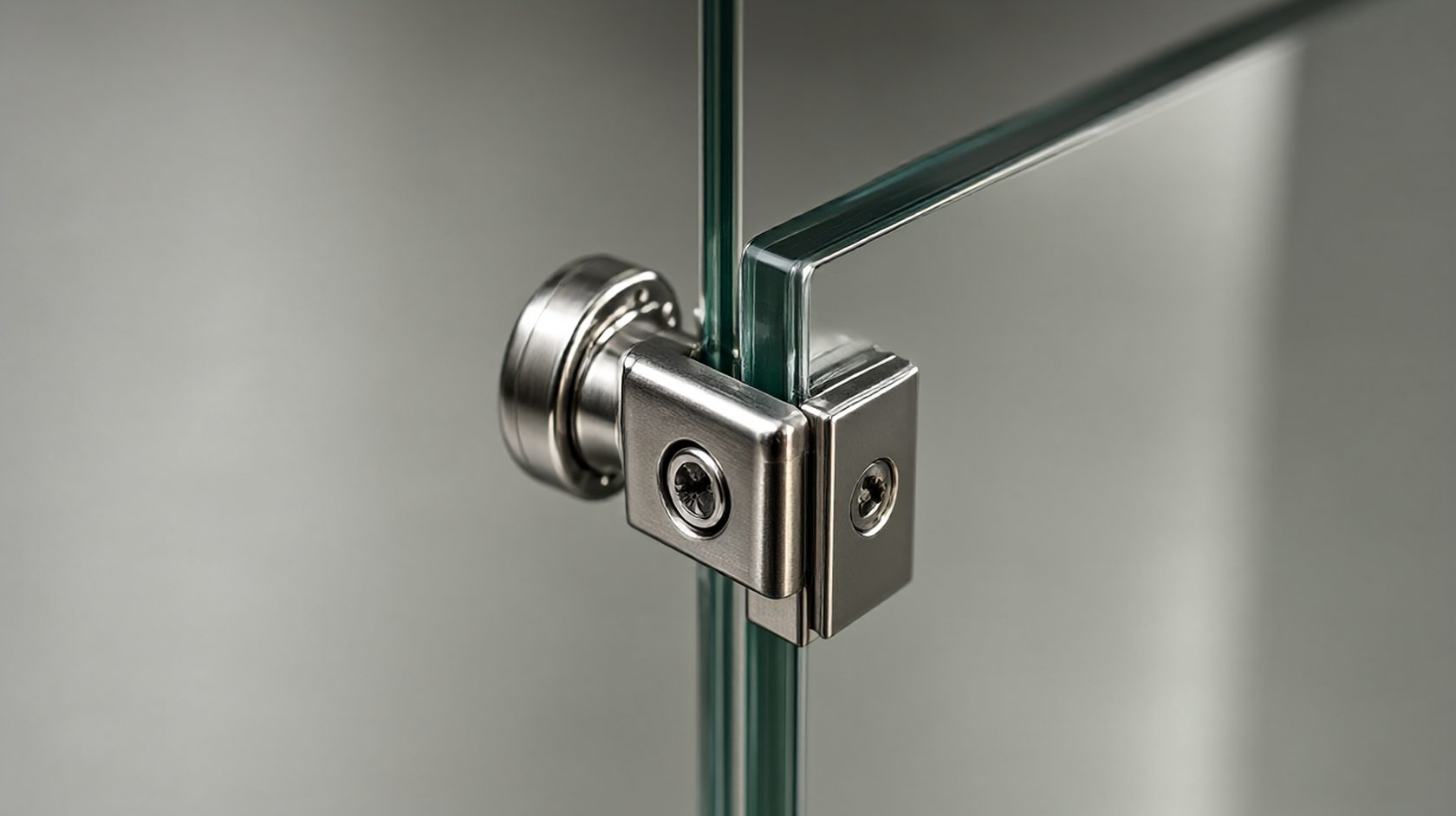
Choosing a shower hinge: weight, width and the number of cycles
A shower hinge is a load-bearing component disguised as a detail. Three numbers decide whether it lasts ten years or eighteen months: the glass weight, the door width and the cycles per day.
Patch fittings for glass doors: what a hydraulic bottom patch actually does
A bottom patch fitting holds the door and, in the hydraulic version, controls it. Speed, hold-open and backcheck are adjustments, and the floor it sits on decides whether any of them work.

Glass door handles and locks: pull force, cylinder choice and the detail that fails
A handle on a glass door is a small lever acting on a brittle material. The pull force, the hole pattern and the way the lock clamps decide whether the door feels solid or whether the glass eventually chips at the fixing.

Sliding glass door systems: track, rollers and the weight nobody calculates
A sliding system is a small crane. The track carries the load, the rollers transmit it, and the weight per roller - not the door weight - is the number that decides how long it runs quietly.
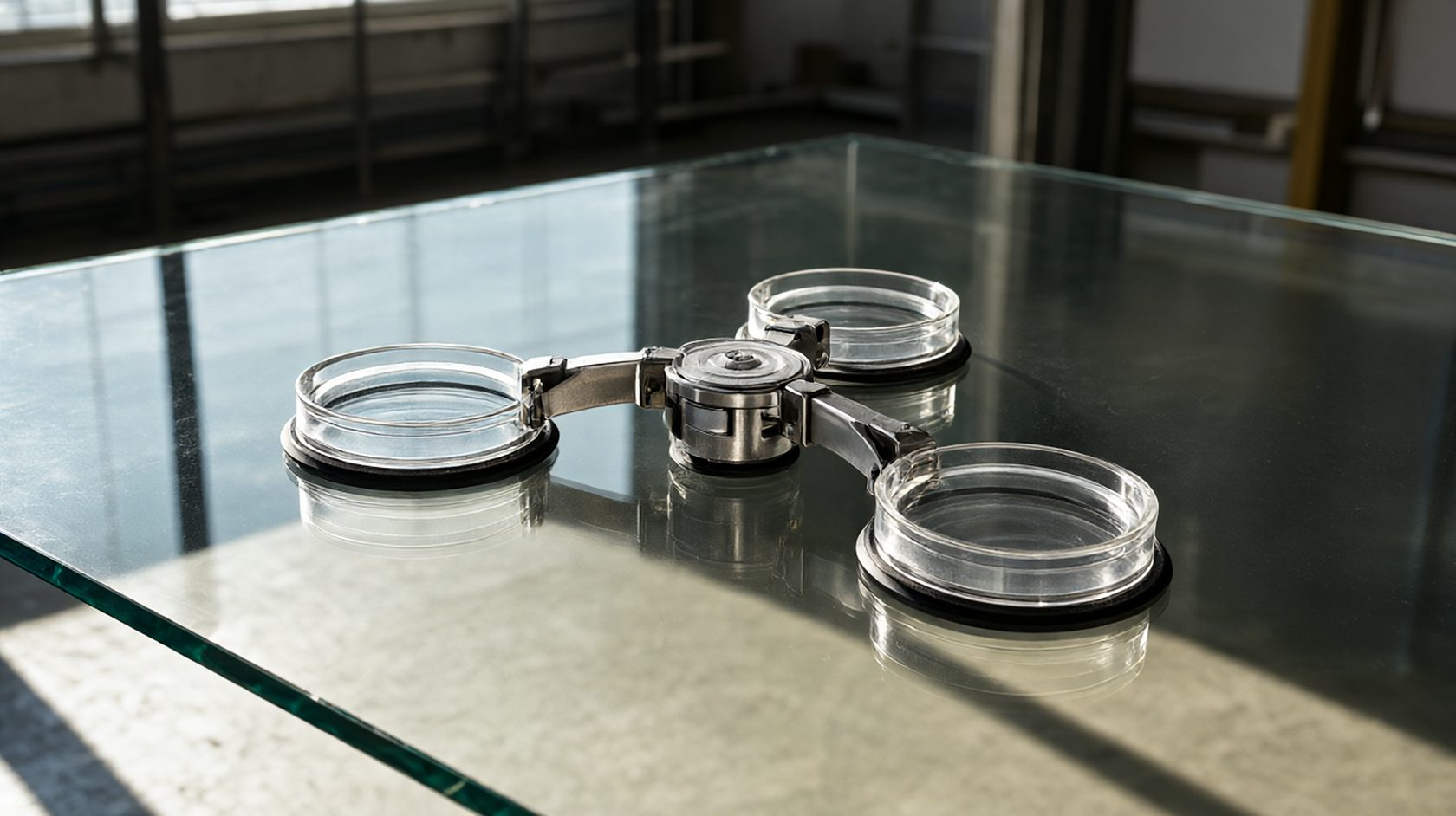
Suction lifters: two cups or three, and the safety factor behind the number
A suction lifter is a lifting device with a published safety factor, and the factor assumes a clean, flat, dry surface. Two cups or three is a question about redundancy, not about capacity.

Brass or 304 stainless: choosing the tube for a glazing and bathroom project
Brass and stainless look similar in a photograph and behave differently in a bathroom. The choice is about chlorides, coating adhesion, thread strength and the finish you can actually maintain.

Towel bars and handle combinations: the pull-out load that decides the fixing
A towel bar is a lever on a glass panel, and people pull on it. The fixing that survives a towel is often not the fixing that survives a person steadying themselves, and the difference is in the glass.

Drilling tempered glass: hole placement, edge distance and the tools that do it safely
Tempered glass cannot be drilled after tempering. Every hole is decided at the drawing, and the failures that follow are almost always placement failures rather than drilling failures.